

Wheel Loader

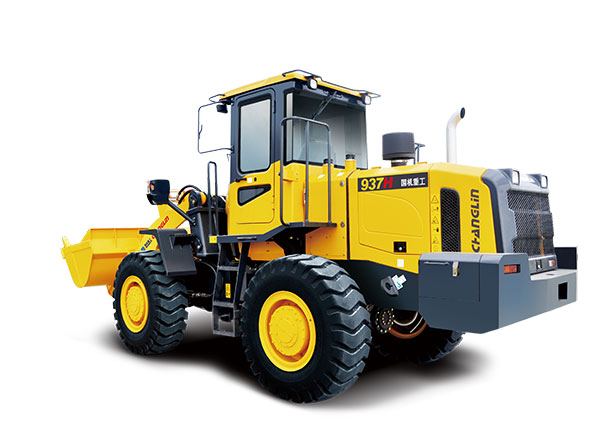
Wheel Loader is a commonly used heavy construction machinery whose core purpose is loading, handling, and stacking various loose materials, such as sand, gravel, soil, coal, ore, etc. It is widely used in many scenarios including construction, mining, port loading and unloading, farmland water conservancy, garbage disposal and so on.

Introduction: sign the contract and pay

Wheel Loader is a commonly used heavy construction machinery whose core purpose is loading, handling, and stacking various loose materials, such as sand, gravel, soil, coal, ore, etc. It is widely used in many scenarios including construction, mining, port loading and unloading, farmland water conservancy, garbage disposal and so on. Its core structure is simple and easy to understand, mainly consisting of a cab (the operator's operation area), a boom (a liftable long arm), a stick, a loading bucket (a bucket-shaped component at the front for loading materials), and a wheeled chassis — different from the crawler-type excavator, the wheel loader is mostly of wheeled design, which is flexible in movement, suitable for operation on flat or slightly rough sites, and can quickly travel between the material pile and transport vehicles (such as trucks) to efficiently complete loading and unloading work. The advantage of the wheel loader is convenient operation and high work efficiency. In addition to basic loading and handling, after replacing different attachments (such as grabs, forks, bulldozer blades), it can also complete auxiliary operations such as grabbing materials, fork-loading goods, and slightly leveling the ground, making it an indispensable "all-rounder" on the construction site. One more point to add: The core difference between a wheel loader and an excavator is that the wheel loader focuses more on "loading and handling" with flexible and fast movements; the excavator focuses more on "excavation and crushing", suitable for scenarios such as deep excavation and rock breaking. You can distinguish them according to the operation needs when purchasing. z-1

Features and principle: sign the contract and pay

Loader Parameter Table

No. Model Emission Standard Rated Load Bucket Capacity Standard Configuration Engine
1 937H National II 3000Kg 1.7m³ (Optional 1.4~3.2m³) Standard Configuration Dongfeng Cummins
2 955T National II 5000Kg 3.1m³ (Optional 2.2-4.5m³) Standard Configuration Dongfeng Cummins
3 957H National II 5500Kg 3.1m³ (Optional 2.2-4.5m³) Standard Configuration Dongfeng Cummins
4 966 National II 6000Kg 3.7m³ (Optional 2.6-5m³) Standard Configuration Shangchai

Parameters: sign the contract and pay

Medium and Large Loader Application Scenarios

Full-Scenario Application Summary of Medium and Large Loaders (Suitable for Engineering and Overseas Sales) As essential equipment in engineering construction, medium and large loaders are primarily used for loading, unloading, stacking, transporting, and leveling bulk materials. Dubbed the "versatile workhorse" on construction sites, they boast flexible operation, high efficiency, and strong adaptability—making them widely used in various infrastructure, mining, and agricultural projects.
  • Construction and Infrastructure Engineering (Core Scenario)
Material Loading and Unloading: At construction sites, they load bulk materials (such as sand, gravel, soil, and cement) onto dump trucks, trailers, or other transport vehicles. They also unload materials from transport vehicles to designated areas, ensuring the construction process proceeds smoothly. Earthwork and Site Finishing: They level construction sites, backfill foundation pits and trenches, and clear construction waste—laying a solid foundation for subsequent work like road and building construction. Road Construction Assistance: During road construction, they transport and spread asphalt, concrete, and graded crushed stone. They also assist in trimming road shoulders and cleaning road surfaces, effectively improving road construction efficiency. Tunnel and Bridge Construction: Inside tunnels and on bridge construction sites, they transport construction materials (steel, cement, sand) and clear muck and construction waste, ensuring unobstructed construction operations.
  • Mining and Quarry Engineering
They load ores (coal, iron ore, limestone) and waste rock from open-pit mines and quarries onto dump trucks for transportation—one of the core links in mining operations. They stack and sort mined ores and waste rock, and clean up mining faces and quarry sites to maintain safe, orderly mining operations. They maintain and level mining access roads and unloading platforms, ensuring smooth transportation of mining equipment and materials. z-1
  • Port and Terminal Operations
At ports and terminals, they load and unload bulk cargo (grain, coal, ore, sand), replacing manual labor to significantly improve loading and unloading efficiency and reduce labor costs. They stack and sort bulk cargo in port yards, and transfer materials between storage areas and transport vehicles to ensure orderly port logistics operations. They clean port berths and yards, and clear obstacles to ensure the normal operation of port loading and unloading equipment.
  • Municipal Engineering and Urban Construction
They clean up urban construction waste, debris, and road garbage, and transport them to designated disposal sites to improve urban environmental hygiene. They assist in urban greening projects—transporting and spreading soil, fertilizer, and greening seedlings, as well as leveling green space foundations. They participate in urban road maintenance, including cleaning road potholes, backfilling and leveling road surfaces, and clearing snow and ice in winter.
  • Agricultural and Rural Construction
In farms, granaries, and agricultural markets, they load and unload agricultural materials (grain, fertilizer, feed) and transport them between storage and processing areas. They level farmland, dig irrigation ditches, and arrange rural roads to improve agricultural production conditions and rural infrastructure. They clean up agricultural waste and crop straw, and assist in building rural public facilities such as villages and cultural squares.
  • Special Application Scenarios
Disaster Relief: They participate in rescue operations during floods, earthquakes, and snowstorms—clearing collapsed obstacles, transporting relief materials, and leveling rescue sites. Material Stacking and Handling: In factories, warehouses, and logistics parks, they stack bulk materials and transfer them between workshops and storage areas to improve logistics efficiency. Auxiliary Breaking Operations: Equipped with a breaking hammer accessory, they break hard soil, small rocks, and old concrete structures to assist in construction and renovation projects.

Contact engineer Now: sign the contract and pay

    hot products sign the contract and pay

    Home Whatsapp Mail Inquiry